
About Us
Welcome to Aganice, where we are committed to making a difference in the lives of underprivileged children. We are passionate about education and firmly believe that it is the key to unlocking opportunities and transforming lives. We provide grants for projects that seek to improve the educational opportunities of disadvantaged children, particularly girls, empowering them to reach their full potential. We also support other artistic endeavors that align with our mission.
Our inspiration comes from the life of our founder, who came from a humble background but was fortunate to have people who guided and supported him to succeed in his education and career. We hope to pay it forward by creating similar opportunities for children today. We are proud of the projects we have sponsored with grants and scholarships, and we are committed to continuing our work to make a positive impact on the lives of children around the world.
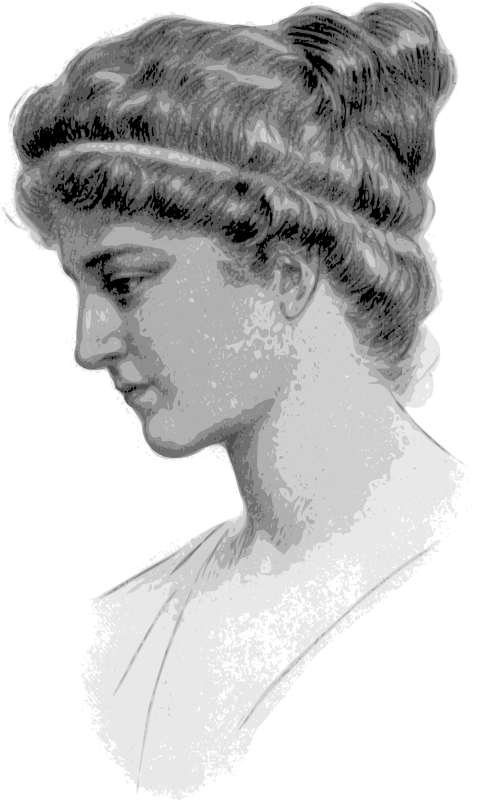
Hypatia of Alexandria
Hypatia was a Greek philosopher, mathematician, and astronomer who lived in Alexandria, Egypt in the 4th and 5th centuries AD. She was considered one of the most brilliant minds of her time and was the head of the Platonist school at Alexandria. She is believed to have been the first woman to make a significant contribution to the development of mathematics and she was also an accomplished astronomer, authoring several texts on the subject. She was highly respected by her students and colleagues, and was considered a symbol of learning and wisdom in ancient Alexandria.
However, Hypatia’s life was not without challenges. As a woman in a male-dominated field, she faced discrimination and sexism, and her teachings were not always well received by the Christian community in Alexandria. In 415 AD, she was brutally murdered by a mob of Christian extremists. Despite the challenges she faced, Hypatia’s legacy lives on as an inspiration to many women in science today.
Hypatia’s life proves that it is possible to achieve great things despite facing discrimination and adversity: Remain steadfast in your beliefs and continue to pursue your passions, even in the face of opposition.
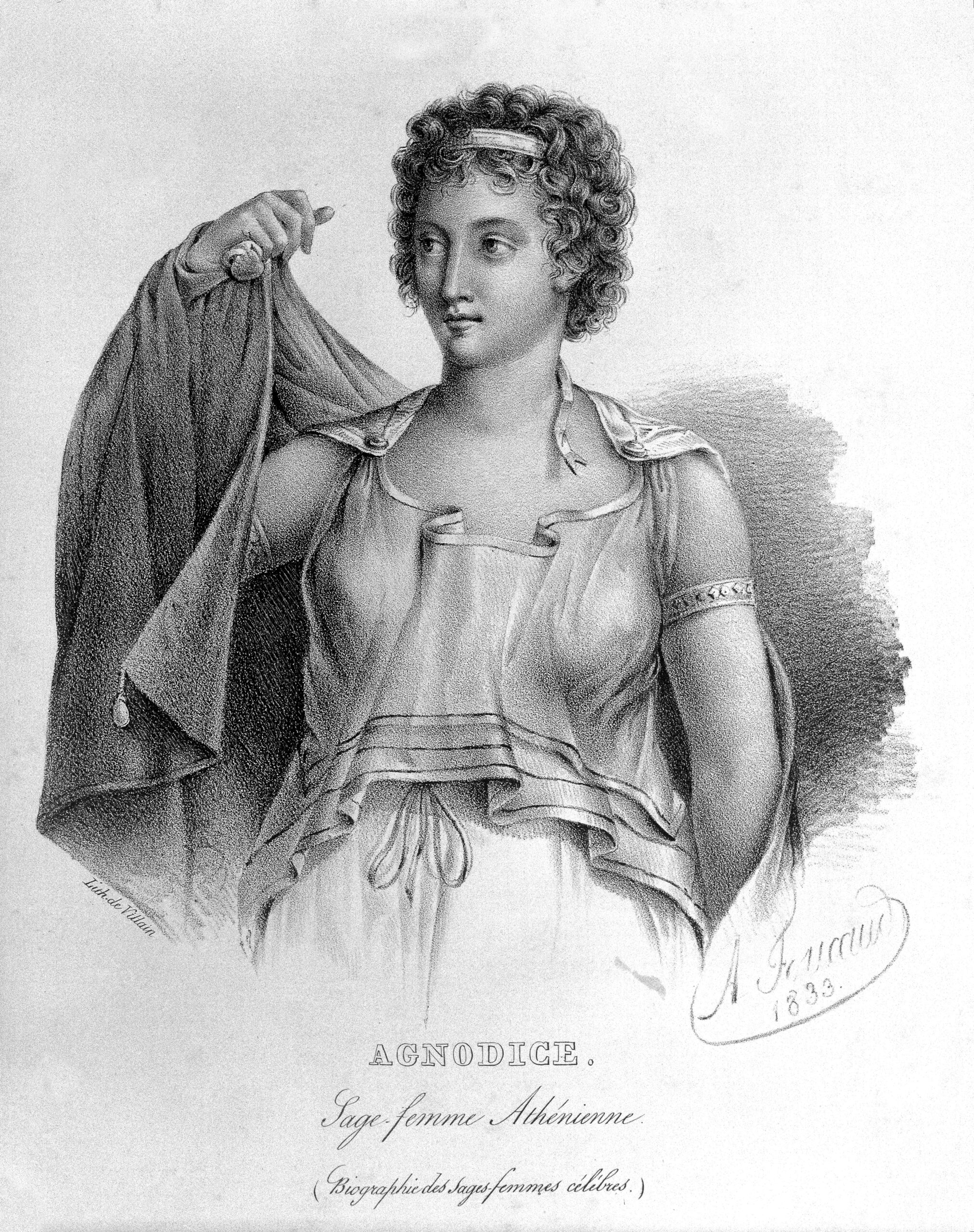
Agnodice
Agnodice was a Greek midwife who lived in the 4th century BC. She is credited with introducing the use of forceps in childbirth, and was known for her expertise in obstetrics. Agnodice faced discrimination and faced legal charges for disguising herself as a man in order to practice medicine, since women were not allowed to do so at that time. Agnodice was also not able to use her own name, as it was not allowed for women to be doctors. However, her knowledge and skills were recognized by her patients and with the help of her patient’s testimonies, she was acquitted of all charges.
Agnodice’s life shows how important it is to not be discouraged by societal barriers and to have the courage to pursue one’s passions, even in the face of discrimination: Persist in the face of adversity, and to be willing to advocate for oneself.
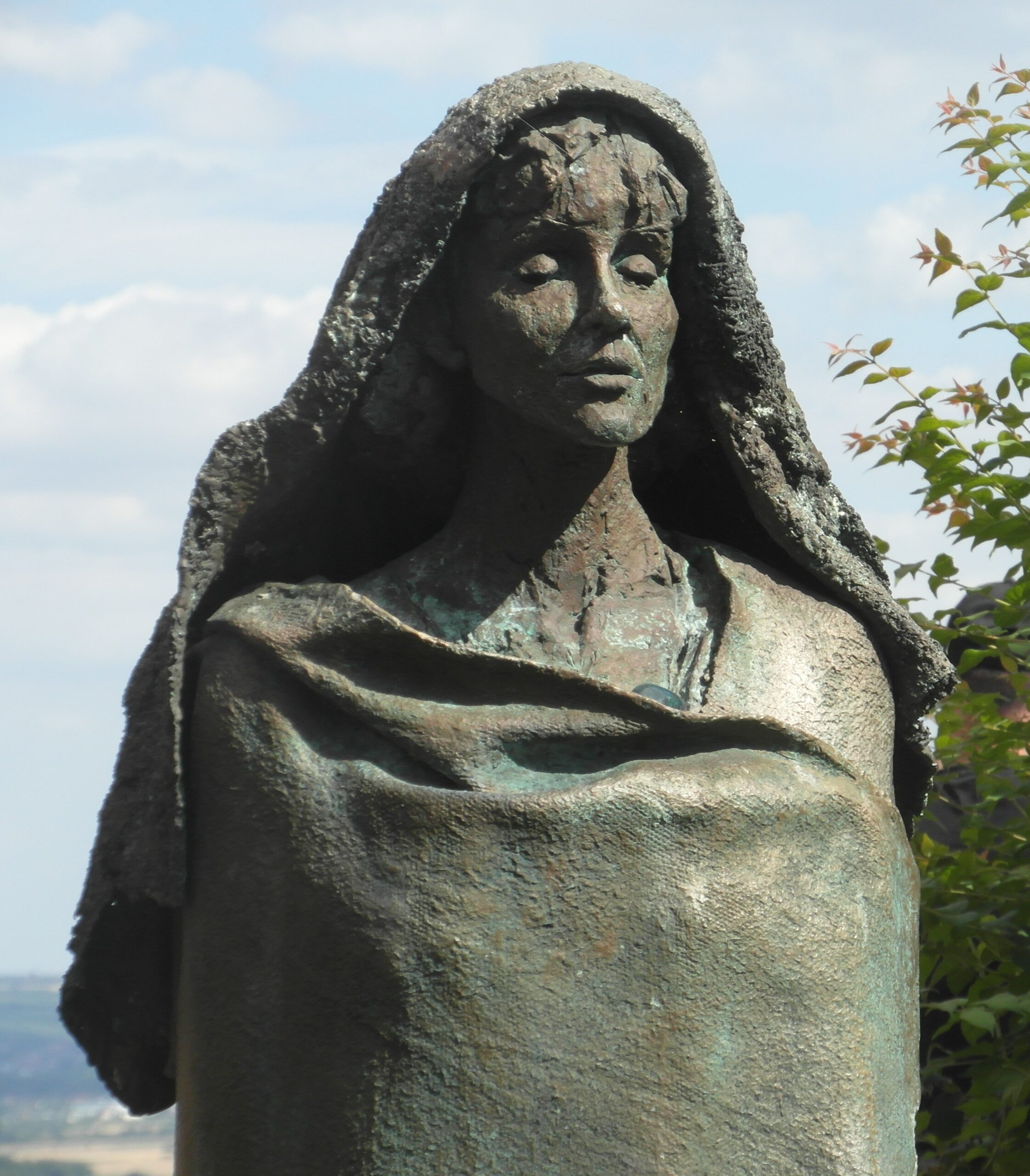
Hildegard of Bingen
Hildegard of Bingen was a 12th century German nun, writer, philosopher, and polymath. She was well-versed in many fields, including medicine, botany, natural history, and theology. She wrote several texts on a wide range of subjects, including the causes and treatment of illnesses and the natural history of plants and animals. Hildegard’s work was influential in the field of medicine and natural history, and she was widely respected for her knowledge and wisdom.
Hildegard faced challenges as a woman in a male-dominated field, and had to rely on the support of powerful patrons to ensure that her work was preserved and disseminated.
Hildegard’s life proves that it is possible to achieve great things, even in fields traditionally dominated by men and how important it is to be well-rounded and to be persistent in the face of challenges and obstacles.
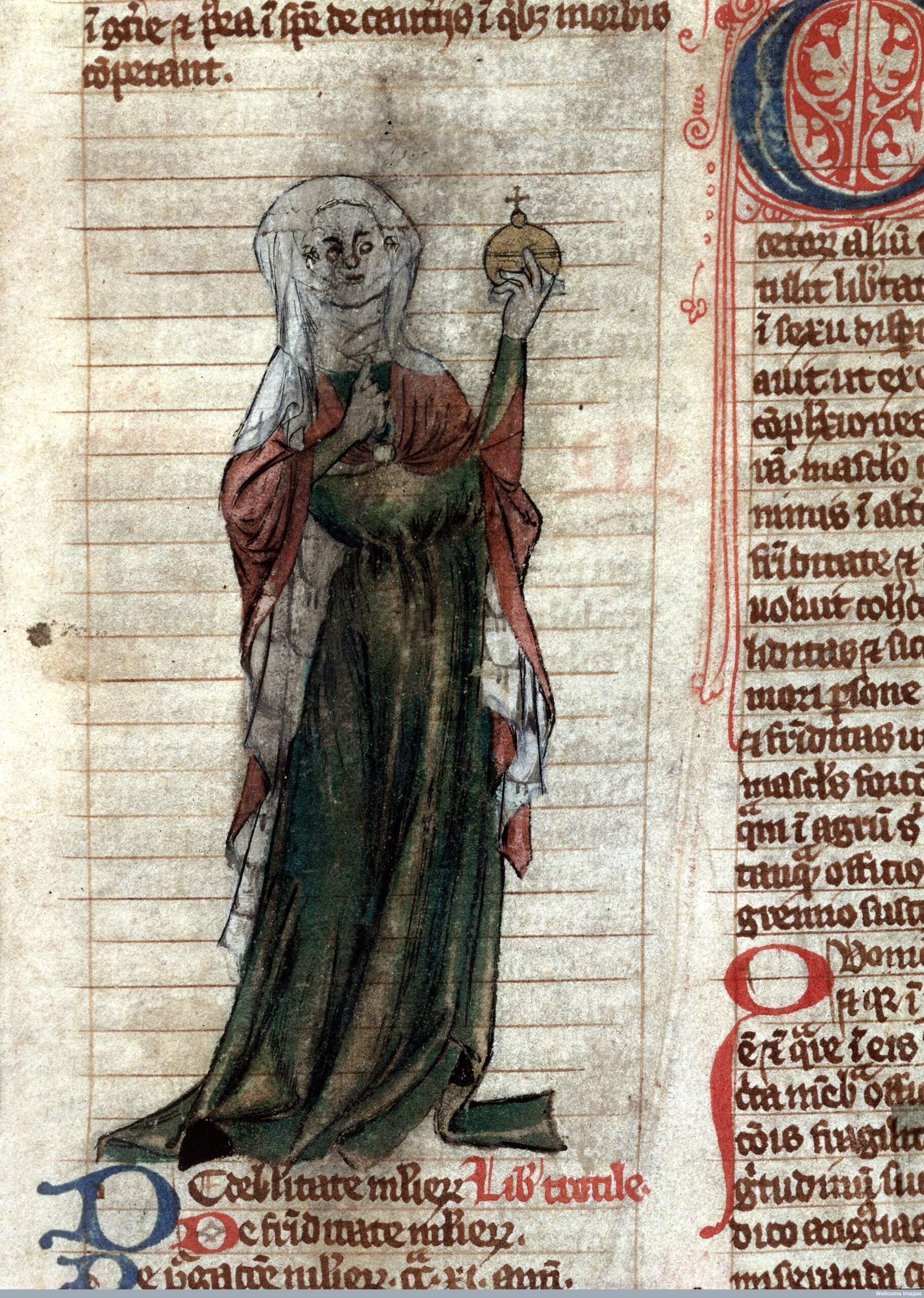
Trota of Salerno
Trota of Salerno was a 12th century Italian woman, physician and author of several medical texts. She was a well-respected practitioner of medicine and her work provided valuable knowledge and insight into the field of medicine during the medieval period. She was known for her expertise in gynecology, and her texts were widely read and used by practitioners of the time. However, like many women scientists before and after her, Trota faced discrimination and obstacles as a woman in a male-dominated field.
Trota’s life exemplifies the importance of persistence and dedication to one’s work, even in the face of discrimination and how critical is to be well-versed in one’s field while being able to share one’s knowledge and insights to benefit others.